
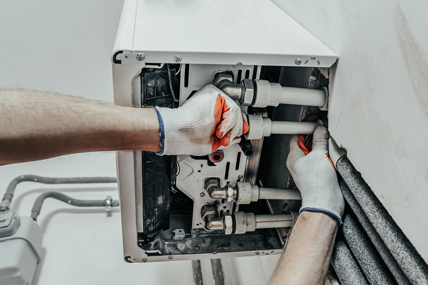
Water moves through a home’s plumbing network every minute of the day, supporting cooking, cleaning, bathing, and heating systems.
Many homeowners install whole-house water softener systems to reduce mineral buildup and preserve plumbing performance across their entire property.
Hard water carries dissolved minerals such as calcium and magnesium. These minerals form deposits that accumulate inside pipes, valves, and appliances. The buildup may appear minor at first, yet the effects expand steadily across the plumbing system.
Scale buildup narrows pipe interiors, restricts water flow, and reduces efficiency. Over time, plumbing components experience greater stress as mineral deposits harden along pipe walls. Water softeners prevent this gradual damage by removing hardness minerals before water enters the household system.
Plumbing longevity depends on consistent water quality. Softening water protects infrastructure, reduces maintenance, and helps households avoid unexpected repairs.
Hard Water and Its Silent Damage to Plumbing
Hard water often goes unnoticed until plumbing problems begin to appear. The minerals present in untreated water attach themselves to surfaces whenever water heats, evaporates, or moves through narrow spaces.
Inside plumbing pipes, minerals accumulate layer by layer. Each layer reduces the pipe’s internal diameter. Water pressure begins to decline as flow becomes restricted.
Several plumbing complications emerge from this buildup:
- Reduced water pressure across faucets and showers
- Mineral scaling inside water heaters
- Frequent clogging of showerheads and aerators
- Damage to valves and seals
- Shorter appliance lifespan
- Increased strain on water pumps
Hard water does not damage plumbing immediately. Instead, it creates gradual stress that becomes visible months or years later. By the time many homeowners notice the symptoms, the plumbing system may already contain significant mineral accumulation.
Water softeners remove hardness minerals before they settle inside pipes. This preventive approach protects plumbing systems long before problems begin.
The Science Behind Mineral Scale Formation
Water hardness originates from natural geological processes. Rainwater absorbs carbon dioxide and forms a weak carbonic acid solution. As the water travels through underground rock formations, it dissolves calcium and magnesium minerals.
These minerals remain suspended in the water supply.
When water heats or evaporates, the dissolved minerals separate and attach to nearby surfaces. The result forms a hard crystalline deposit known as scale.
Scale develops rapidly in several plumbing locations:
- Water heater tanks
- Boiler systems
- Copper and PVC pipes
- Dishwasher heating elements
- Washing machine components
Heating accelerates scale formation. For this reason, water heaters often show the earliest signs of mineral accumulation.
A thin layer of scale acts as insulation around heating elements. That insulation reduces heat transfer and forces the appliance to consume more energy.
Over time, the scale thickens and begins to affect water circulation and pressure.
Water softeners interrupt this process by removing calcium and magnesium ions before scale forms.
Ion Exchange: The Core Process of Water Softening
Water softening systems rely on a chemical process known as ion exchange. This process replaces hardness minerals with sodium or potassium ions.
Inside the softener tank, thousands of small resin beads hold a negative electrical charge. Calcium and magnesium ions carry positive charges, which makes them naturally attracted to the resin.
The process works through several steps:
- Hard water enters the mineral tank.
- Resin beads attract calcium and magnesium ions.
- The minerals attach to the beads and remain inside the tank.
- Softened water flows out into the plumbing system.
- A regeneration cycle flushes the captured minerals away using a salt solution.
The regeneration process restores the resin beads so they can continue removing minerals.
This treatment occurs automatically and ensures a steady supply of softened water throughout the home.
Why Plumbing Systems Benefit from Softened Water?
Plumbing infrastructure works best when water flows freely and remains free of mineral deposits. Softened water supports this condition by preventing the formation of scale.
Several plumbing benefits appear when hard minerals disappear from the water supply.
Improved Pipe Longevity
Mineral buildup narrows pipe interiors and increases friction within the water flow. As the restriction grows, water pressure drops, and pumps must work harder to maintain circulation.
Soft water prevents this narrowing process, allowing pipes to maintain their original capacity.
Reduced Corrosion Risk
Scale deposits often trap sediment and create uneven surfaces within pipes. These irregularities accelerate corrosion and weaken plumbing materials.
Soft water reduces mineral accumulation and limits corrosion triggers.
Consistent Water Pressure
A plumbing system with scale buildup gradually loses water pressure. Restricted pipes struggle to deliver a strong flow to faucets and showers.
Softened water keeps pipes clean and maintains stable pressure across the home.
Fewer Plumbing Repairs
Mineral buildup causes several common plumbing failures. Valves stick, seals degrade, and pipe joints experience added strain.
Soft water minimizes these issues and lowers maintenance demands.
The Relationship Between Hard Water and Appliance Damage
Plumbing health extends beyond pipes. Household appliances depend on clean water flow and efficient heating.
Hard water interferes with both functions.
Appliances that heat water suffer the most from scale accumulation. Heating elements become coated with mineral deposits that reduce efficiency.
Common appliances affected by hard water include:
- Water heaters
- Dishwashers
- Washing machines
- Coffee machines
- Tankless heating systems
Scale buildup forces these appliances to work harder and operate longer. Increased energy demand raises utility costs and shortens equipment lifespan.
Softened water eliminates the minerals responsible for scale formation, allowing appliances to maintain peak performance.
Early Warning Signs of Hard Water in Plumbing
Many homes show subtle signs of mineral buildup before major plumbing issues appear. Identifying these signs early can prevent long-term damage.
Look for these common indicators:
- White or chalky residue around faucets
- Reduced water pressure in showers
- Soap that struggles to lather
- Frequent cleaning of showerheads
- Stains on sinks and bathtubs
- Unusual noises inside water heaters
These signs often indicate scale formation inside the plumbing system.
Water hardness testing confirms mineral levels and helps determine whether water softening may benefit the household.
Long-Term Financial Benefits of Water Softening
Plumbing repairs often involve significant expense. Pipe replacement, appliance repairs, and water heater maintenance can quickly add up.
Water softeners help households avoid many of these costs by preventing scale buildup.
Several financial advantages appear over time:
- Lower appliance repair costs
- Reduced energy consumption
- Fewer plumbing service calls
- Longer equipment lifespan
- Lower detergent and cleaning product usage
Energy savings alone can make a noticeable difference. Heating elements coated with scale require more power to reach desired temperatures. Soft water improves heat transfer and reduces that demand.
Lower detergent usage also contributes to cost savings. Soft water allows soap and cleaning products to dissolve more effectively.
Environmental Benefits of Water Softening
Water softening supports sustainable household operations by improving resource efficiency.
Soft water allows detergents and soaps to perform better. Households use smaller quantities of cleaning products, which reduces chemical discharge into wastewater systems.
Energy efficiency also improves when appliances operate without mineral buildup. Lower energy demand reduces the environmental impact associated with electricity generation.
Longer appliance lifespan further supports sustainability. Fewer replacements mean less manufacturing demand and reduced landfill waste.
These environmental advantages make water softening an effective step toward responsible water management.
Plumbing Maintenance Becomes Easier with Soft Water
Plumbing systems require routine maintenance even under ideal conditions. Hard water increases the frequency and complexity of that maintenance.
Soft water simplifies household upkeep in several ways.
Fewer blockages
Mineral scale often traps sediment inside pipes. Soft water prevents that accumulation and keeps pipes clearer.
Reduced fixture cleaning
Faucets, showerheads, and aerators remain cleaner without scale deposits.
Better valve performance
Minerals often interfere with valve movement. Soft water helps valves operate smoothly.
Lower sediment accumulation
Water heaters collect fewer mineral deposits, which reduces the need for frequent flushing.
These improvements reduce maintenance demands and help homeowners keep plumbing systems functioning efficiently.
Plumbing Materials and Hard Water Sensitivity
Different plumbing materials respond differently to mineral buildup. However, hard water affects nearly all plumbing components.
Common materials found in residential plumbing include:
- Copper pipes
- PVC piping
- PEX tubing
- Brass fittings
- Stainless steel appliances
Mineral deposits attach easily to these surfaces. Once scale forms, the rough texture encourages further accumulation.
Soft water reduces mineral concentration and limits scale formation regardless of plumbing material.
Choosing an Effective Water Softening System
Selecting the right water softener depends on several household factors.
Key considerations include:
- Water hardness level
- Household water consumption
- Plumbing system design
- Number of occupants
- Installation space
Proper sizing ensures the system handles the household’s daily water demand without frequent regeneration cycles.
Professional installation ensures the softener connects correctly to the main water supply line. This placement allows the system to treat all incoming water before it reaches fixtures and appliances.
Routine maintenance remains simple. Most systems require periodic salt replenishment and occasional inspection to maintain performance.
The Role of Water Softeners in Modern Plumbing Infrastructure
Residential plumbing systems continue to evolve as homes incorporate advanced appliances and water heating technologies.
High-efficiency equipment relies on stable water conditions to maintain performance. Hard water disrupts these systems by introducing mineral buildup that reduces efficiency.
Water softeners serve as a protective barrier between natural mineral content and household plumbing infrastructure.
This protection extends across several systems:
- Water heaters
- Radiant heating systems
- Dishwashing units
- Laundry equipment
- Bathroom fixtures
When softened water circulates through the plumbing network, scale formation slows dramatically. Pipes remain cleaner, and appliances maintain efficiency for longer periods.
Long-Term Plumbing Health Starts with Water Quality
Plumbing systems operate quietly behind walls and beneath floors, yet they support nearly every household activity. Water quality directly influences how well those systems perform over time.
Hard water introduces minerals that gradually damage pipes, appliances, and fixtures. The damage builds slowly but eventually leads to reduced efficiency, higher energy use, and costly repairs.
Water softeners remove the minerals responsible for scale buildup. By preventing deposits before they form, these systems protect plumbing infrastructure and preserve water flow.
A home equipped with softened water benefits from improved efficiency, fewer repairs, and more reliable plumbing performance across every tap and appliance. Long-term plumbing health depends on consistent water quality, and water softening plays a central role in maintaining that stability.